01 · literary fidelity
Berger keeps the spine of Remarque's 1929 novel intact: war is not heroism, it is paperwork written in someone else's blood. The reverence shows in the pacing.
Edward Berger
the cold last sentence
A young soldier's body and spirit slowly worn down — and a final sentence so cold it stays with you for years.
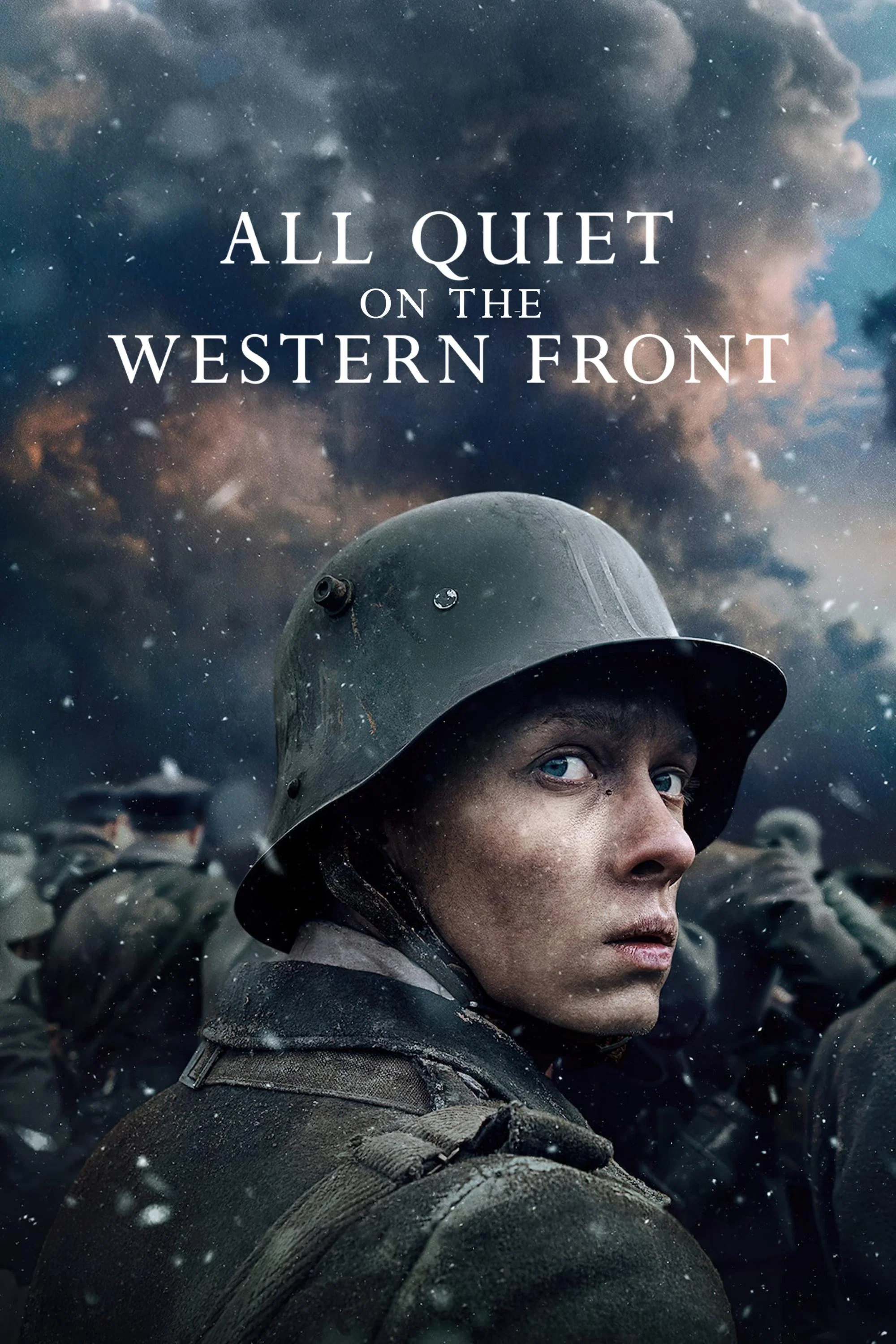
Erich Maria Remarque's 1929 anti-war novel — Im Westen nichts Neues, in Vietnamese Phía Tây không có gì lạ — restaged for screen as the slow erosion of body and spirit through the eyes of a young German soldier on the Western Front. The trenches are mud and noise and silence. The famous final sentence still lands like a cold gust through an empty room.
01 · literary fidelity
Berger keeps the spine of Remarque's 1929 novel intact: war is not heroism, it is paperwork written in someone else's blood. The reverence shows in the pacing.
02 · sound design of the trenches
The film weaponises silence. The bursts of artillery aren't loud because they're loud — they're loud because of the stillness Berger built around them.
03 · the politics of 'nothing happened today'
The original title is the indictment. When the report from the front says 'nothing new in the West', it means a generation has just been quietly erased while the metric stayed flat.
When the dashboard says 'all quiet' and the cost is invisible, look closer. The most dangerous metric is the one that doesn't move while everything underneath it does.